
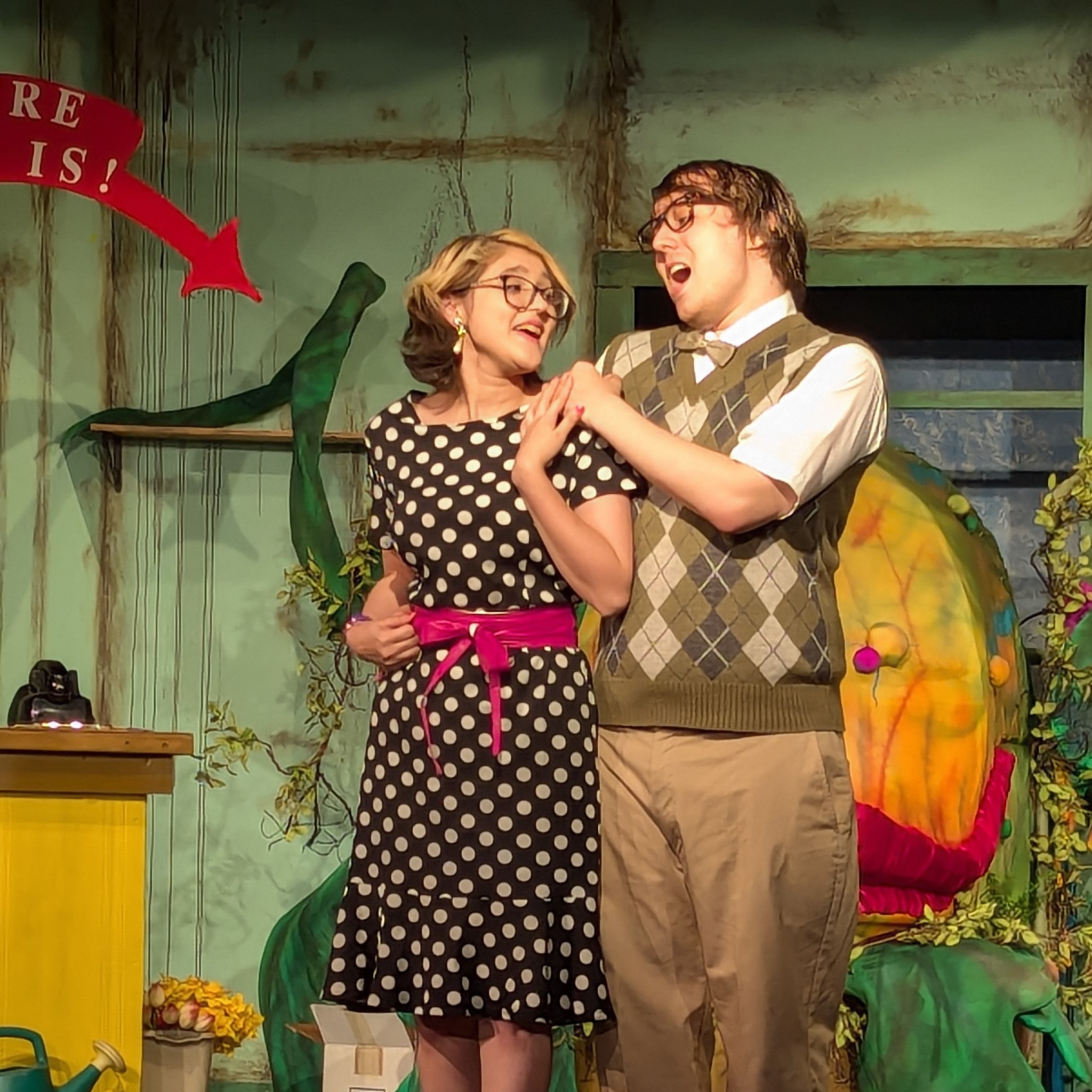
 The Players Workshop in Burlington, Iowa, holds a special place in the cultural life of the region as one of the state’s oldest continuously operating community theaters. Its story begins in 1922, when a group of local women with a shared love of drama and literature came together to form the Burlington Drama League, which was associated with the Women’s Bureau of the Burlington Chamber of Commerce. These early pioneers of community theater in Burlington staged small performances and readings, creating opportunities for local residents to experience the thrill of live performance without leaving town.
By 1927, the group had secured a more permanent performance space: the rear carriage house of the late Colonel H. B. Scott. This intimate venue quickly became known as “The Little Theatre on Grove Street.” Its modest size didn’t limit its ambition—in fact, it fostered a strong sense of community, where audiences and actors shared the excitement of live storytelling in close quarters. The cozy space also reinforced the idea that theater in Burlington could be something accessible, local, and rooted in the creativity of community residents.
The early 1930s brought significant change. By 1933, men were invited to join the group, broadening both the membership and the range of productions possible. In 1933, the organization officially adopted the name Players Workshop and gradually separated from its original affiliation with the Women’s Bureau of the Burlington Chamber of Commerce, becoming an independent entity. These developments signaled its evolution from a small social club to a true community theater dedicated to producing plays for the enjoyment and enrichment of Burlington’s citizens.
 During the Depression years, financial constraints forced the company to innovate. Paying royalties for popular plays was often difficult, so members wrote their own scripts and staged original productions. They also reached new audiences by writing and performing radio plays that aired on stations as far away as Des Moines, St. Louis, and Quincy. This was a creative way of extending Burlington’s cultural voice far beyond its borders while keeping expenses low.
In January 1936, Players Workshop staged its first full-length play, Tommy, which marked a major turning point in its history. The group’s productions grew more ambitious, offering audiences richer theatrical experiences. However, the momentum was briefly interrupted by World War II. With so many local men serving in the armed forces, the theater went quiet for a time. When the war ended, the Workshop was revived, once again providing Burlington with an outlet for creativity and connection during a period of national renewal.
By the 1960s, the original carriage house theater had deteriorated and was eventually demolished. Rather than disband, the Workshop adapted, performing in alternative venues such as St. John auditorium until a new home could be established. Following an extensive community fundraising campaign, a permanent playhouse emerged still on the property of Colonel J. B. Scott. Over the years, the company invested in continual upgrades, frequently with volunteer labor from its members and with materials contributed or discounted by local merchants. Additions included improved lighting, an orchestra pit, expanded dressing rooms, updated seating, and a larger lobby—each improvement enhancing both the performer and audience experience. Even when the seating capacity was reduced from about 260 to 212, it was done with the community in mind, providing wider seats and more comfortable spacing.
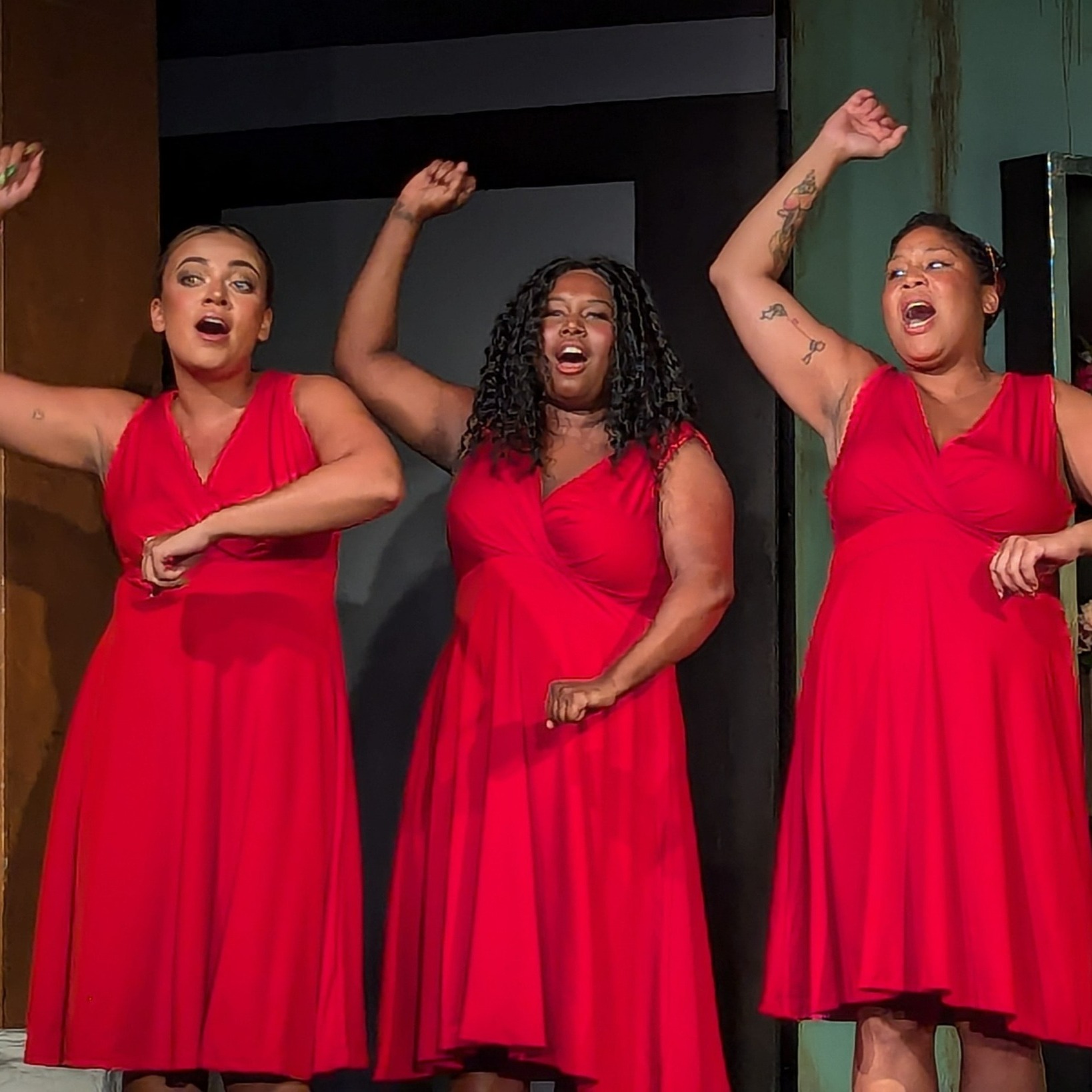 The Workshop’s importance has never rested solely on the plays it produces. For decades, it has been a gathering place, a training ground, and a creative outlet for Burlington residents of all ages. Generations of volunteers have acted, directed, built sets, designed costumes, and run lights, learning new skills while contributing to something larger than themselves. Audiences have found laughter, reflection, and inspiration in its comedies, dramas, and musicals, strengthening the bond between the theater and the community.
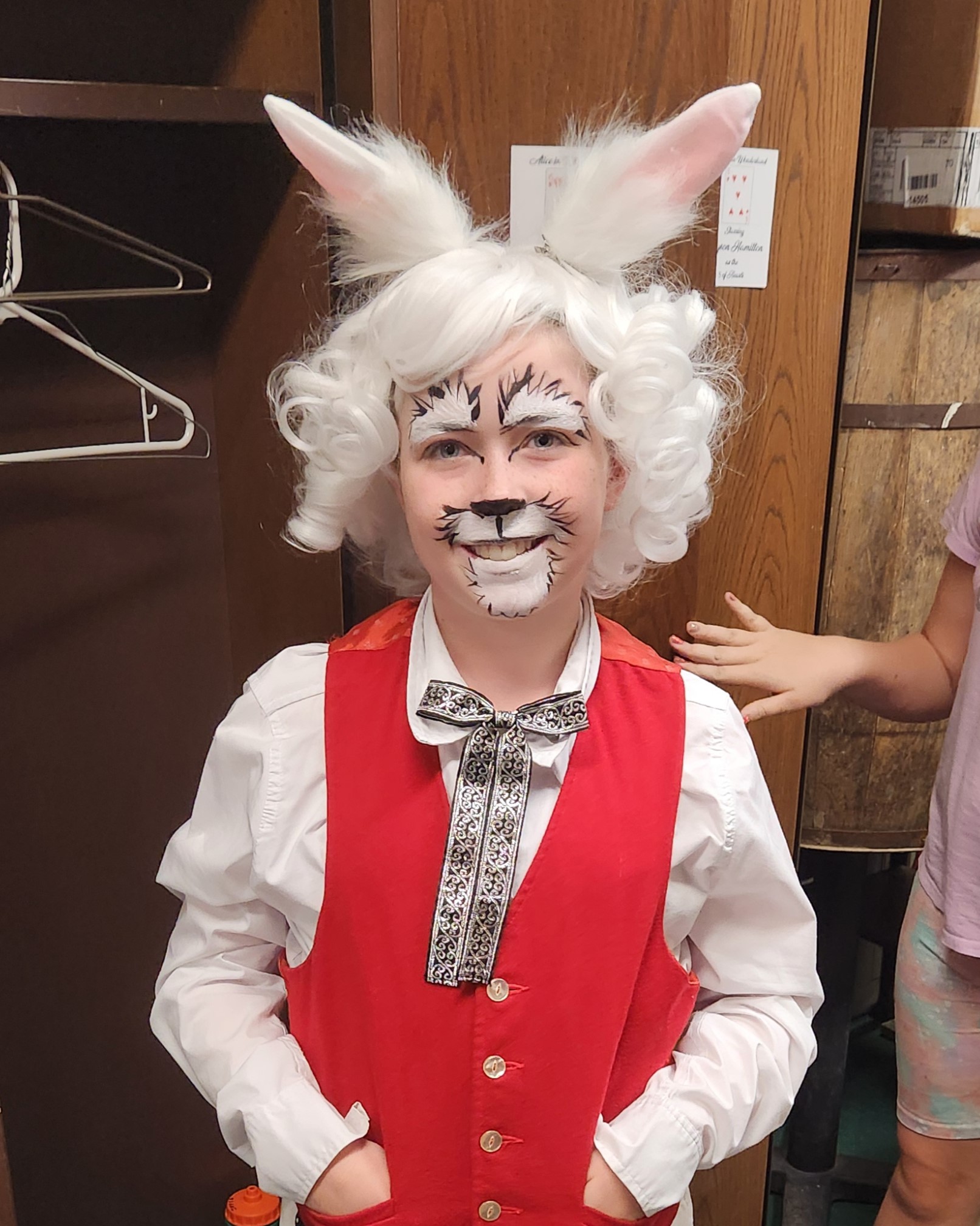
Youth programs have been especially impactful. By giving children the chance to perform on stage or work behind the scenes, Players Workshop has nurtured confidence, creativity, and teamwork. Many young people who first set foot on its stage carried those lessons into their personal and professional lives.
Today, nearly a century after its founding, Players Workshop continues to stage multiple productions each season, bringing stories to life in a way that only live theater can. Its endurance is a testament to Burlington’s commitment to the arts and to the idea that theater is not just entertainment—it is a vital part of community identity. The Workshop stands as both a keeper of tradition and a springboard for future creativity, ensuring that the magic of live performance will remain at the heart of Burlington for generations to come.