
Greater Burlington has produced a remarkable number of scientific pioneers whose work has shaped fields as diverse as ecology, space exploration, chemistry, and computer technology. From trailblazers who laid the foundations of conservation to those who helped humanity reach for the stars, Burlington natives have left a global imprint.
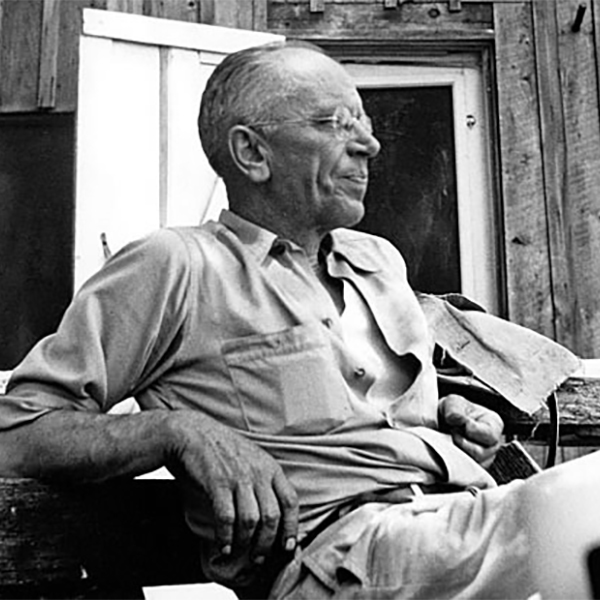 Aldo Leopold: The Father of Wildlife Ecology
Born in Burlington in 1887, Aldo Leopold grew up roaming the bluffs and river bottoms of the Mississippi, which fueled a lifelong passion for the natural world. Leopold became a groundbreaking conservationist, ecologist, and author. His book A Sand County Almanac remains one of the most influential texts in environmental literature, introducing the “land ethic;” the idea that humans are part of a community that includes soils, waters, plants, and animals.
Leopold’s work laid the foundation for modern wildlife management and ecology. His emphasis on ethical stewardship continues to inspire conservation and wildlife champions worldwide.
Ed Stone: A Guiding Hand in Space Exploration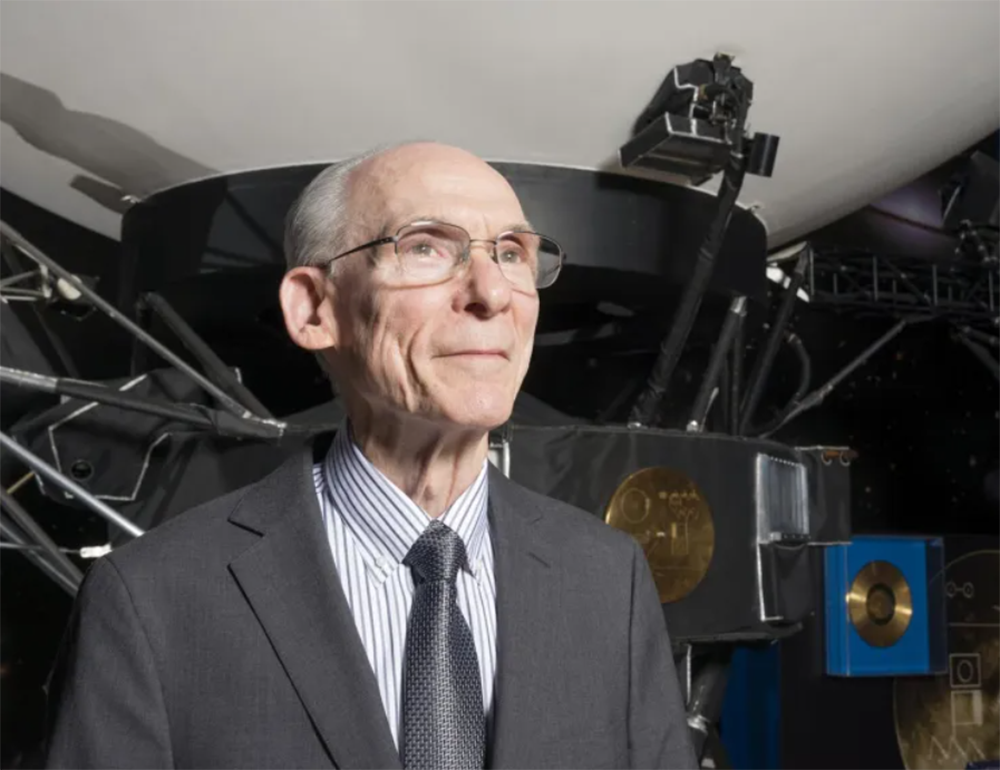
Edward C. Stone, born in Burlington in 1936, rose to prominence as one of NASA’s most respected scientists. A physicist by training, Stone became the project scientist for the Voyager missions, guiding two spacecraft that traveled farther than any others in history. Voyager 1 and 2 sent back breathtaking images of the outer planets before continuing into interstellar space, carrying with them the famous “Golden Record” of Earth’s sounds and images.
Stone later served as director of the Jet Propulsion Laboratory, overseeing missions that expanded humanity’s understanding of the solar system. His leadership not only shaped NASA’s exploration program but also inspired generations to look toward the stars with curiosity and determination.
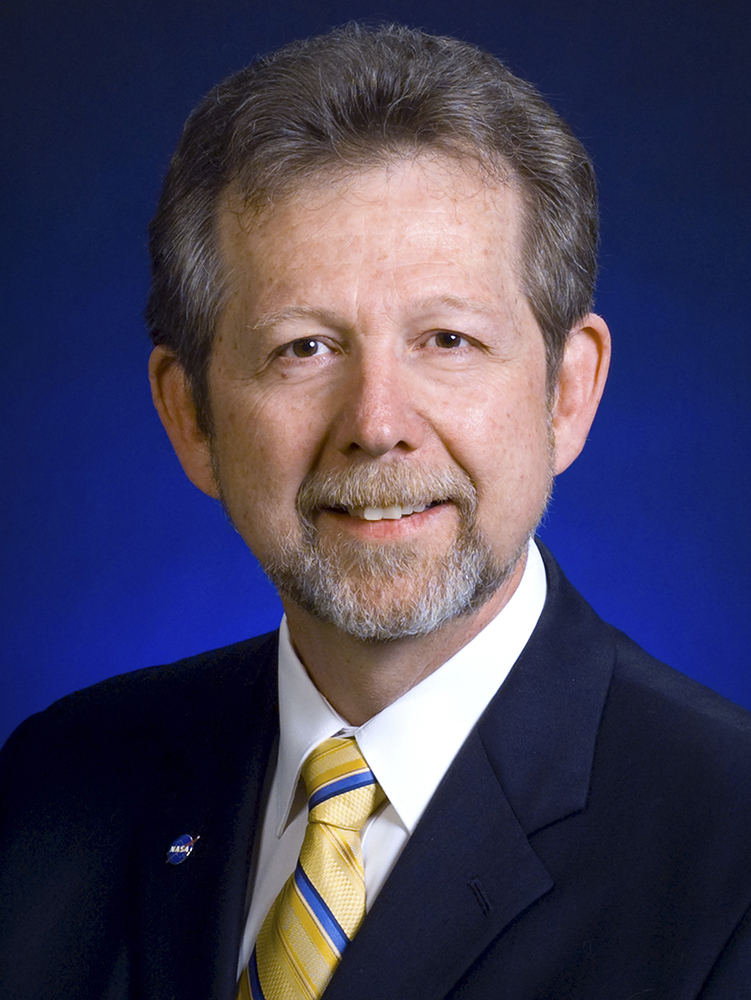 James L. Green: Shaping NASA’s Planetary Science
Another Burlington native who left his mark on the space frontier is James L. Green. For more than four decades at NASA, Green played a central role in planetary science. As NASA’s Chief Scientist and earlier as the longtime head of the Planetary Science Division, he helped guide missions to Mars, Jupiter, and beyond.
Green’s work included advancing mission concepts, supporting planetary defense strategies, and communicating the wonders of space to the public. His career reflects Burlington’s tradition of producing thinkers who bridge scientific curiosity with the ability to inspire.
James M. Kelly: To the Stars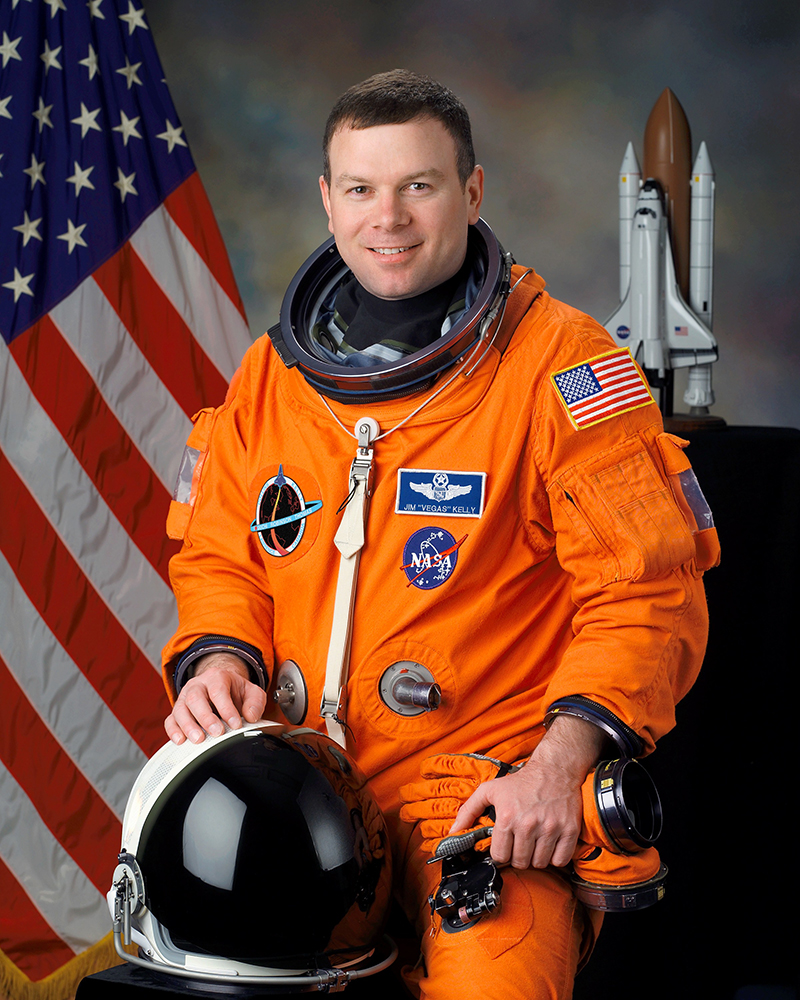
James M. Kelly, also born in Burlington, distinguished himself as an astronaut and United States Air Force colonel. Selected by NASA in 1996, Kelly went on to pilot two Space Shuttle missions: STS-102 aboard Discovery in 2001 and STS-114 aboard Discovery in 2005, the critical “Return to Flight” mission following the Columbia tragedy. His career as a test pilot and astronaut reflects the courage, precision, and teamwork required to expand humanity’s reach into space, carrying Burlington’s legacy of scientific achievement beyond Earth’s atmosphere.
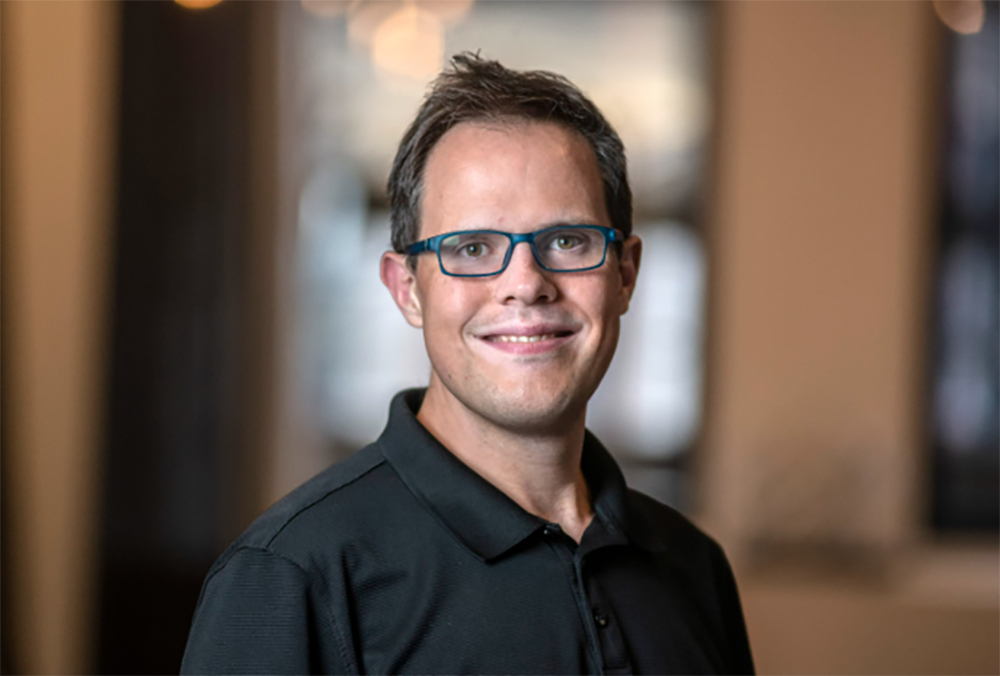 Brian Metzger: Charting the Future of Astrophysics
One of Burlington’s more contemporary scientific figures, Brian Metzger, has earned international recognition in astrophysics. His research focuses on explosive cosmic events, such as neutron star mergers, that create heavy elements like gold and platinum. Metzger’s theoretical work has helped explain some of the most violent and spectacular phenomena in the universe.
By connecting the smallest particles to the grandest scales of the cosmos, Metzger’s research represents the newest chapter in Burlington’s legacy of space science. His career also reflects the city’s ongoing contribution to discovery: that curiosity nurtured along the Mississippi can lead and has led to insights about the farthest reaches of the universe.
Wallace Carothers: The Invention of Nylon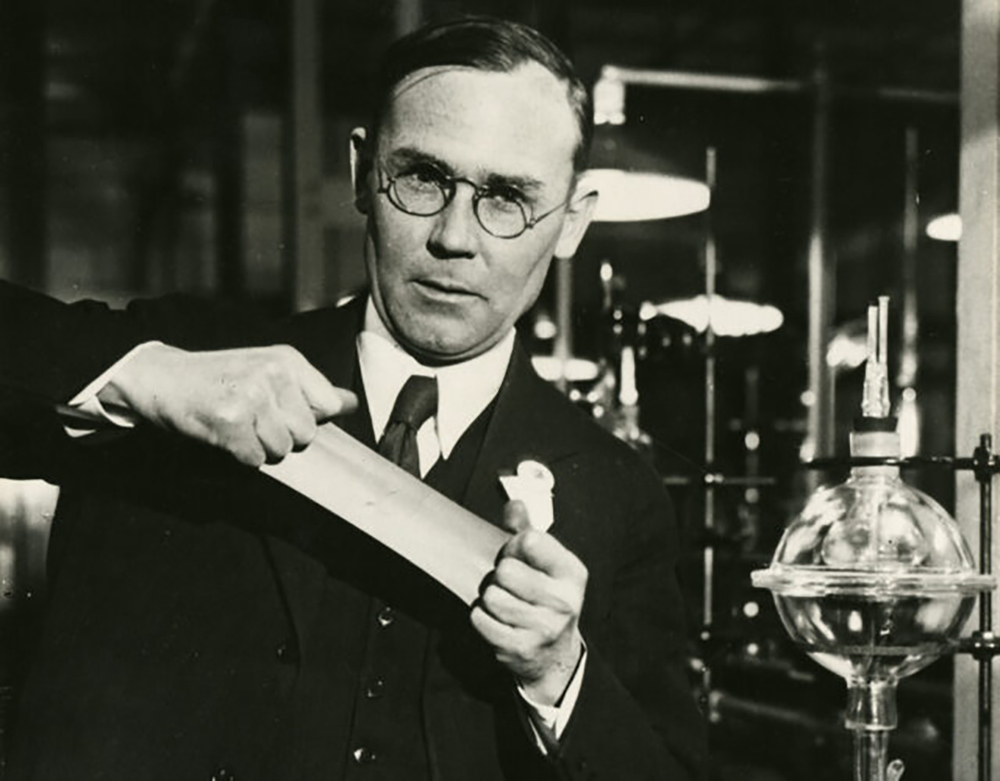
Science in Burlington is not limited to ecology and space. Wallace Hume Carothers, born here in 1896, became a pioneering chemist with DuPont. He is best remembered for inventing nylon - the world’s first fully synthetic fiber. His innovations revolutionized materials science, making possible everything from durable fabrics to vital components in industry and medicine.
Though his life was tragically short, Carothers’ influence endures. Every time nylon is used, in clothing, parachutes, or surgical sutures, the legacy of Burlington’s own chemical innovator lives on.
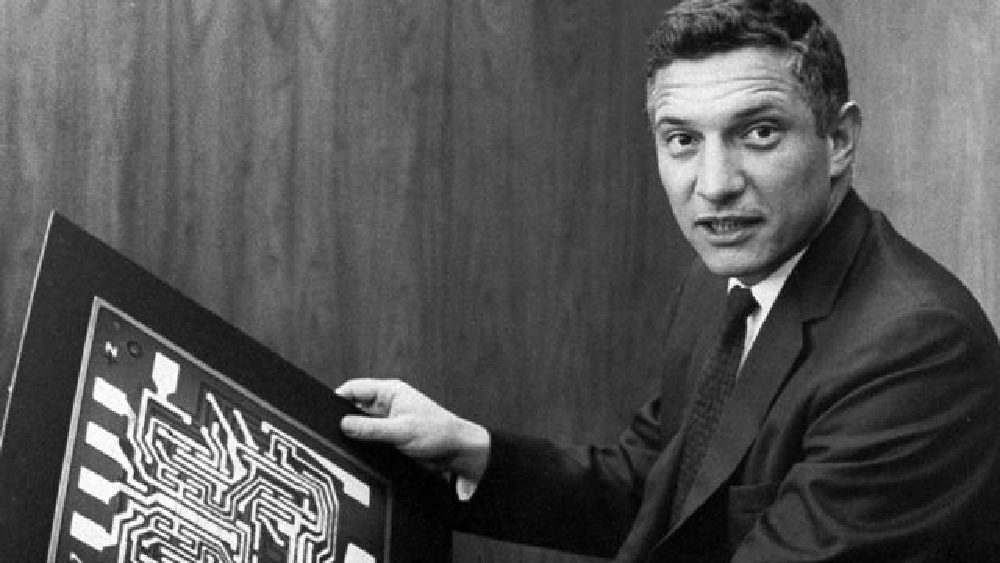 Robert Noyce: The “Mayor of Silicon Valley”
Few figures illustrate Burlington’s global reach more than Robert Noyce, born in 1927. Known as the “Mayor of Silicon Valley,” Noyce co-invented the integrated circuit, the microchip that powers nearly every modern electronic device. He later co-founded Intel, ushering in the computer revolution that transformed communication, business, and daily life.
Noyce’s combination of technical brilliance and entrepreneurial vision made him one of the central figures in 20th-century technology. Today, his impact is visible in smartphones, laptops, and countless devices that rely on the integrated circuits he helped pioneer.
A Legacy of Discovery
Burlington’s scientific pioneers remind us that the seeds of discovery often sprout in unexpected places. From protecting ecosystems to exploring the solar system, from inventing new materials to unlocking the mysteries of the universe, these Burlington-born scientists shaped the modern world. Visitors walking through Burlington today encounter more than riverfront parks and historic streets, they walk the same ground that inspired minds who changed history.