
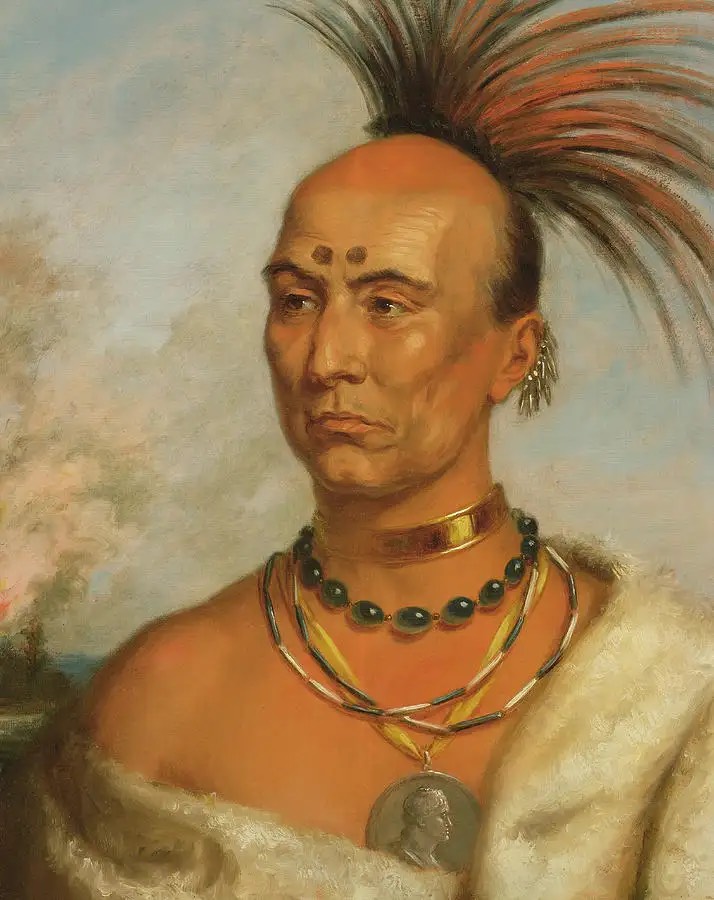
 You may or may not have heard of the leader of the Sauk and Fox tribes, Chief Black Hawk. He earned his title in a nontraditional way. Instead of the chief hood being passed down to him, Black Hawk earned his title through leading raids and war parties in his youth.
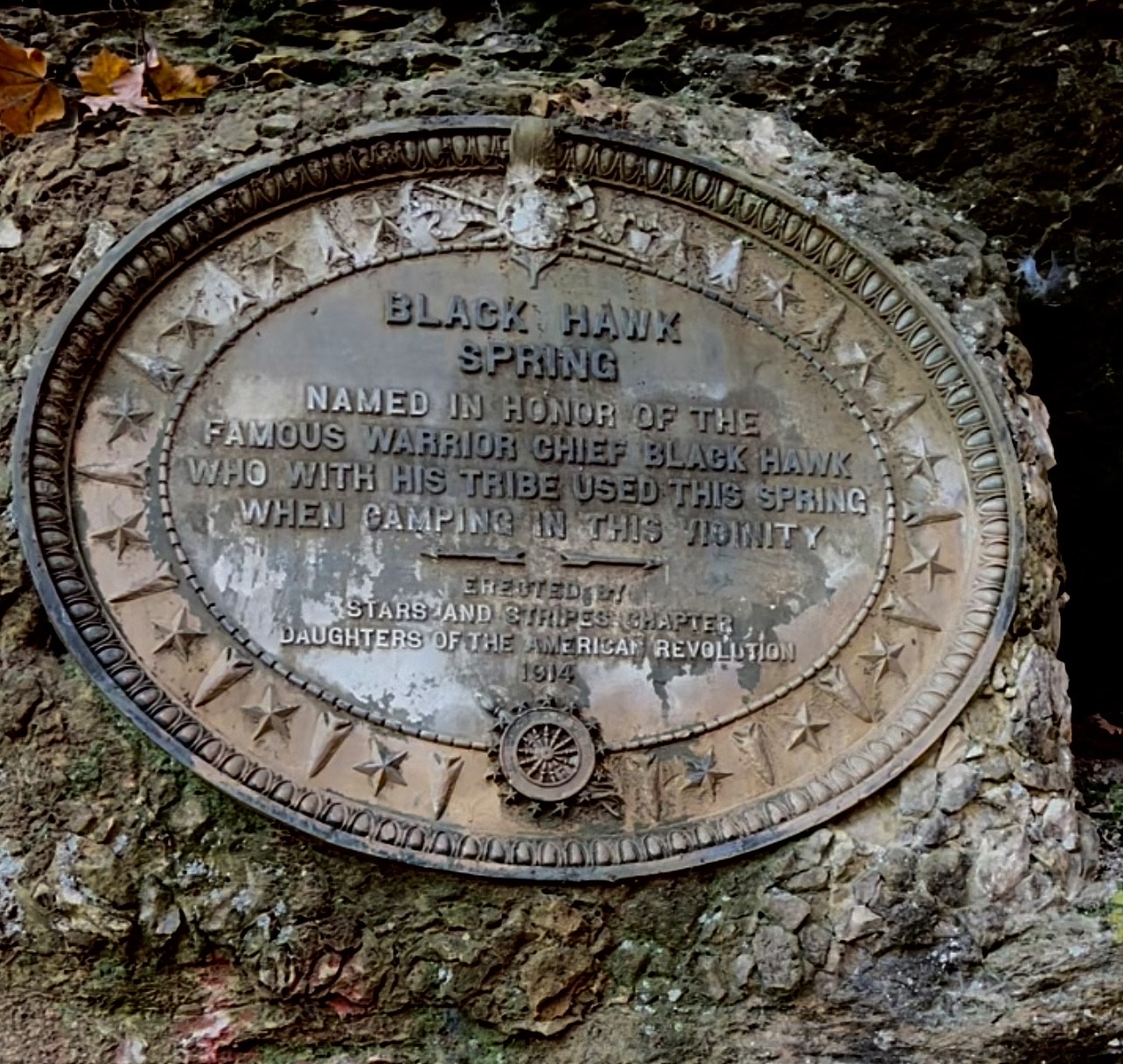
Did you know that he and his tribes roamed and resided in Iowa? Specifically, Burlington Iowa. In Crapo Park there is a landmark/memorial for Black Hawk called Black Hawk’s cave. He and his tribe actually used the cave when they would camp in the vicinity, which would be quite often considering the back and forth relocating they had to do when the treaty of 1804 was put in motion.
Black Hawk was not a fan of the colonization happening in the Midwest. In 1804, 50 million acres of Sauk and Fox land were granted to the United States by the tribal spokesman. The treaty called for the Natives to resettle across the Mississippi River in what is now Iowa. In 1832 Black Hawk led thousands of Sauk, Fox, and Kickapoo tribe members across the Mississippi River to the Illinois area with the intention of resettling there. Governor John Reynolds of Illinois called out the militia, and the U.S. Government also dispatched troops to confront the band. Black Hawk and his followers easily won the first and many encounters with the Illinois militia. As the weeks wore on the strength of his band began to wane. Black Hawk then retreated northward. In the final battle at the Bad Axe River in Wisconsin, most of the Indians trying to make their way back across the Mississippi River were slaughtered. Black Hawk escaped but surrendered shortly after. As a condition of peace, the United States gave up the Sauk and Fox land in eastern Iowa.
 Black Hawk remained in custody after the war. He would get visitors like authors and artists that wanted to tell his story. He spent most of the last five years of his life with his family among the Sauk in Iowa. To the end of his life, he blamed the tribe leader of Keokuk for he and his people’s fate.